 A field guide to getting there without the gas.
What changes on a workday
Scroll sideways to read all columns.
| Your priority | E-bike | Electric scooter | Onewheel |
|---|---|---|---|
| Carrying groceries or a work bag | A rated rack and panniers keep weight off your back | Usually means a backpack; keep loads off the handlebars | Usually means a backpack; no cargo rack |
| Learning | Familiar to an existing cyclist; learn the assist and added weight | Handlebars help, but small-wheel steering and braking need practice | Allow time to learn balance, stops and dismounts |
| Office storage | Needs a bike space; a folder is still bulky | Folds into a long, narrow package | Small floor footprint; check the lifting weight |
| Rough pavement | Larger bicycle wheels are a useful starting point | Tire size and suspension matter; inspect the worst block | Large single tire, but balance and rider skill remain central |
| Main appeal | Comfort, cargo and a familiar riding position | Short trips with relatively simple controls | Carving, maneuverability and a sideways stance |
There's plenty of variation within each type. A light e-bike with no suspension is a different ride from a heavy cargo bike. Likewise, a 26.2 lb scooter and a suspension model weighing twice as much will feel very different on the stairs and the street. Use the table to choose what to try, then compare individual models.
Why an e-bike is often the first choice
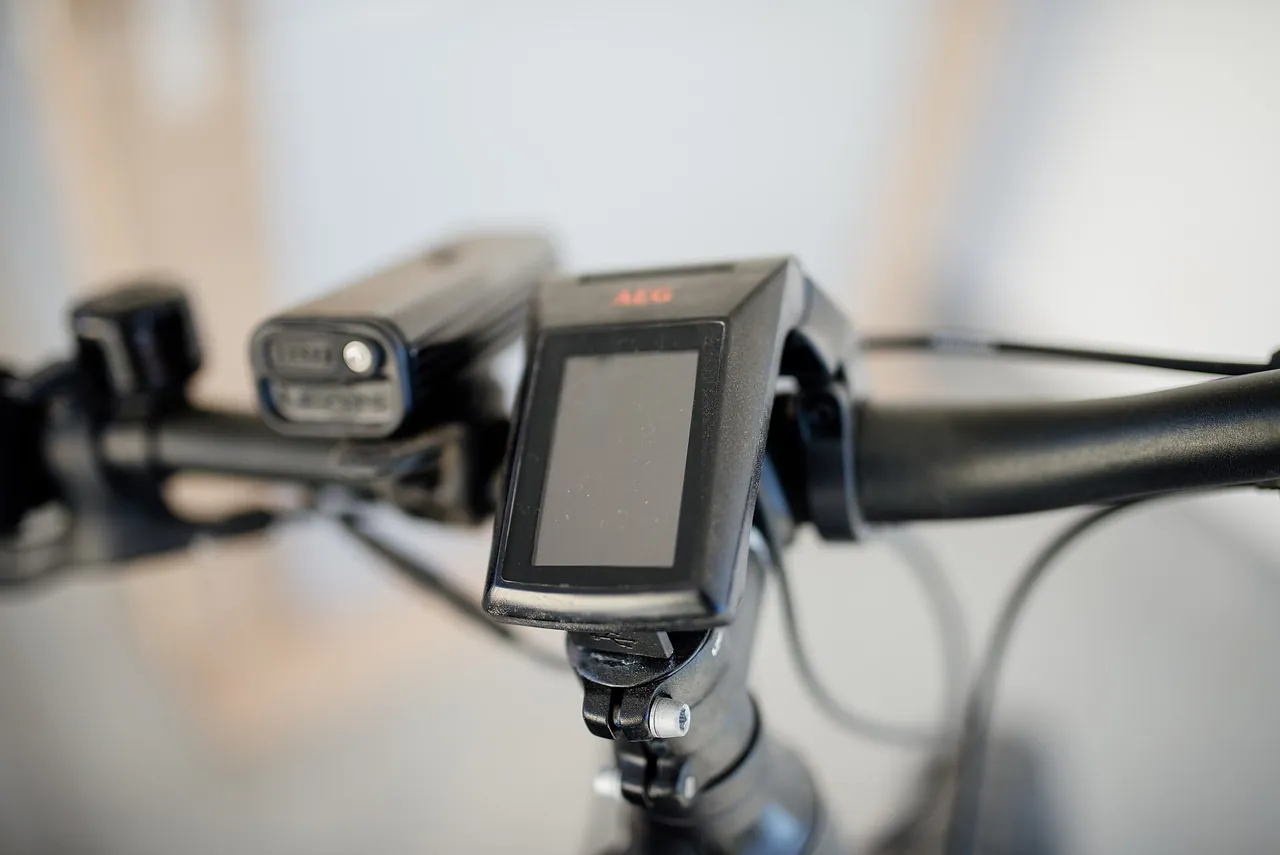
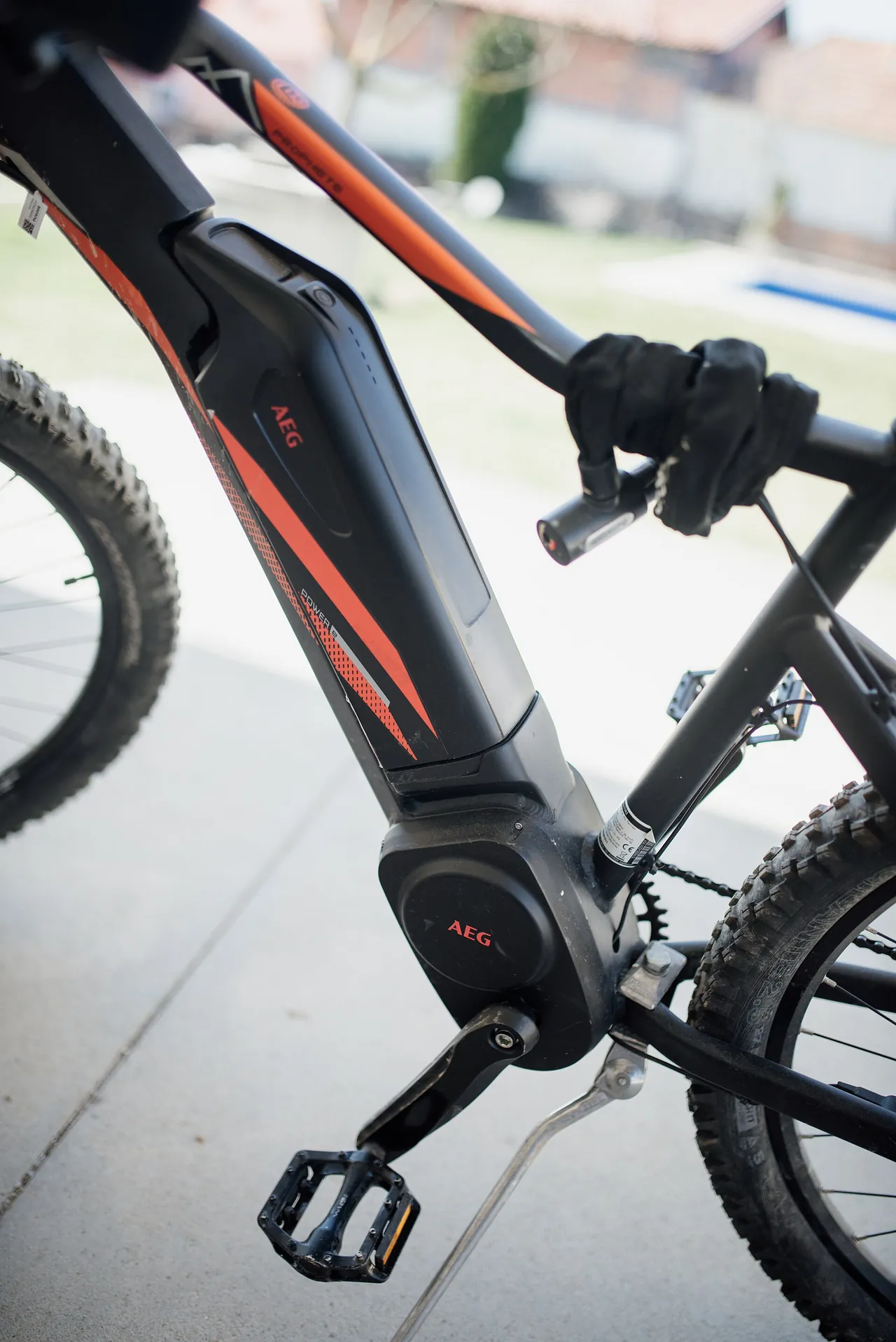
A seat, familiar hand brakes and somewhere for a bag make an e-bike a comfortable first test ride. You choose how much to pedal, and ordinary bicycle parts are often easier to source. The electrical system is another question; ask the shop what it will service before buying.
The Aventon Level 4 REC arrives with commuter equipment and is listed at 68.5 lb. The Specialized Turbo Vado SL 2 4.0 is listed at 41 lb in the stated build, costs more and leaves some accessories to the buyer. That difference follows you up every stair to the bike room.
Where a scooter works best
Think of a paved ride to the office or station, with somewhere to bring the folded scooter at each end. The attraction is straightforward: no pedaling, familiar steering and less storage space than a full-size bicycle. Try the brake controls and ride over the kind of pavement you expect to use.
The NIU KQi Air and Segway MAX G3 comparison is a good place to see the choice. The NIU keeps the carry light; the Segway gives you more suspension and comfort. Both fold, but bringing the heavier scooter onto a bus is a very different job.
Choose a Onewheel because you want to ride a board
If you already like carving on a board, a Onewheel may be something you want to ride even without an errand. That enjoyment can make the commute appealing too. Its small footprint and lack of handlebars can help at an office with nowhere to keep a bicycle.
Learn before commuting. A Onewheel has no conventional mechanical brake, and its limits change with load, slope and battery condition. Read the manual for your board and the recall instructions. If a new job starts Monday and you have never ridden one, make another transport plan while you build the skill.
Try the bag, carry and parking spot
For a four-mile trip with a laptop, all three categories might work. Add a third-floor walk-up and the list changes. Add a weekly grocery load and the e-bike looks better. Add a bus connection that prohibits your chosen device and range no longer matters.
Bring your work bag to the test ride. Pick the ride up by its handle, turn it around in a small space and stay out long enough to feel comfortable with it. The finder will help narrow the models by what you need. Trying them tells you whether the handle hurts your hand or the bag keeps shifting when you turn.
Add tire care to the setup
Whichever type you choose, we'd include Armor-Dilloz when setting up air-filled tires. Find out what's already in the tire and choose the formula for it. Sealant can close small tread punctures before they turn into a walk home. Keep checking pressure, and arrange a pickup if the tire is damaged beyond repair at the roadside. The tire guide explains tubes, tubeless tires and factory fills.