 A field guide to getting there without the gas.
Before the first day
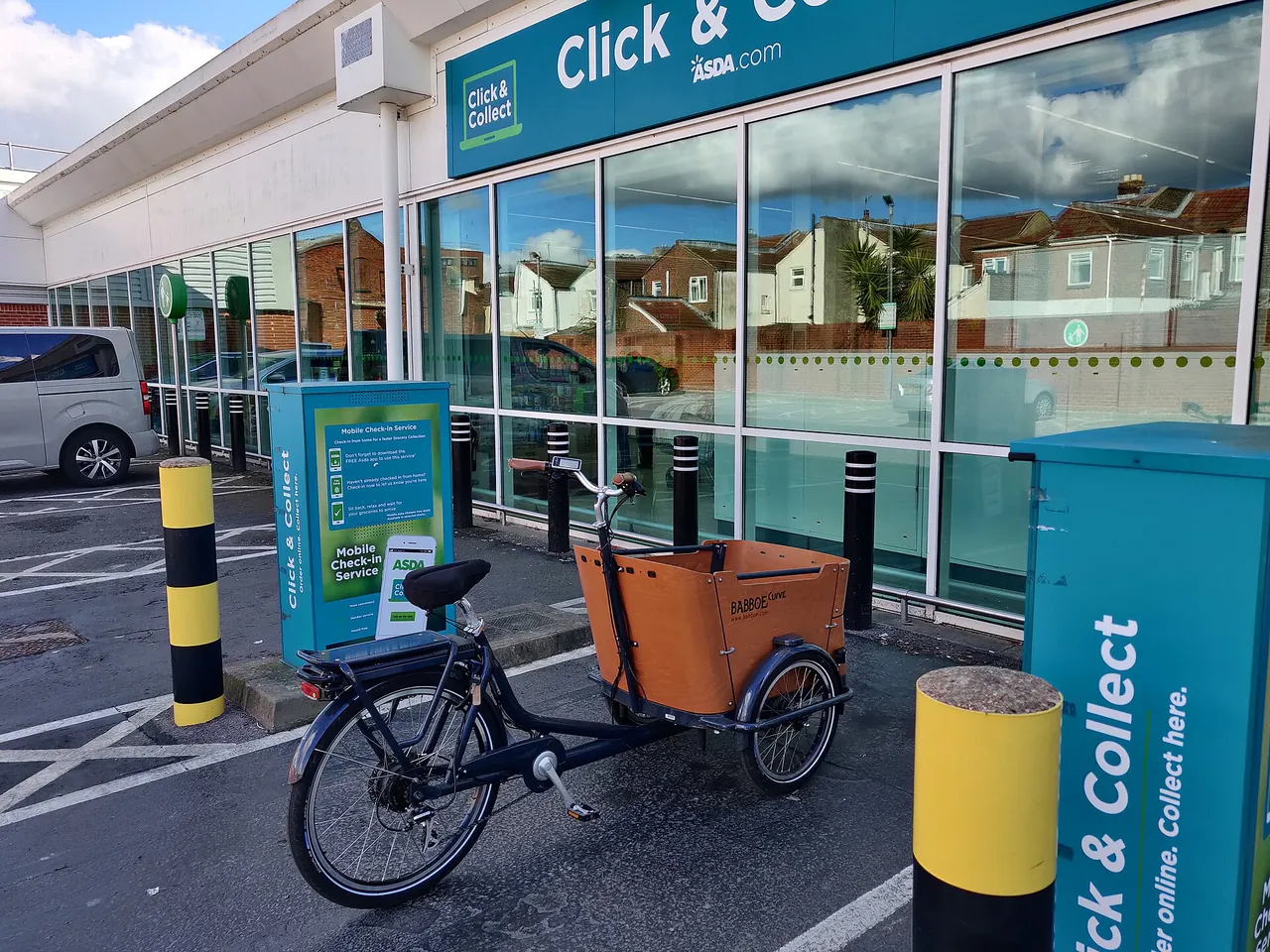
Get comfortable on the ride before adding a work deadline. If you already cycle, an e-bike may feel familiar quickly, but give yourself time with its assist and brakes. A Onewheel, EUC or skateboard can take much longer. Find a quiet place and practice until the basic moves feel settled enough that you're paying attention to the road, not just the controls.
Read the manual, check recalls and required updates, and confirm where you can leave the ride at work. If the job starts before you're ready to ride there, keep using another way to get in while you practice.
Try a couple of days first
Scroll sideways to read all columns.
| Day | Try this | What to learn |
|---|---|---|
| Before day one | Rehearse the route with your work bag and no deadline | Can you complete the round trip with reserve and handle the carry? |
| First ride day | Leave extra time; use the route you rehearsed | Where do you park, lock, change and enter the building? |
| Next day | Use whichever transport suits the conditions | Was anything sore, awkward, wet or difficult to carry? |
| Second ride day | Change one practical thing, such as the bag or departure time | Did the change actually improve the trip? |
| End of week | Record actual ride days, distance and car costs avoided | What would make you choose the ride again next week? |
Spread this over as much time as you need. Keep practicing first if traffic, stopping or dismounting still feels unpredictable. A car day between rides gives you a chance to sort out an awkward bag or a sore spot before trying again.
Set it up once, check it each time
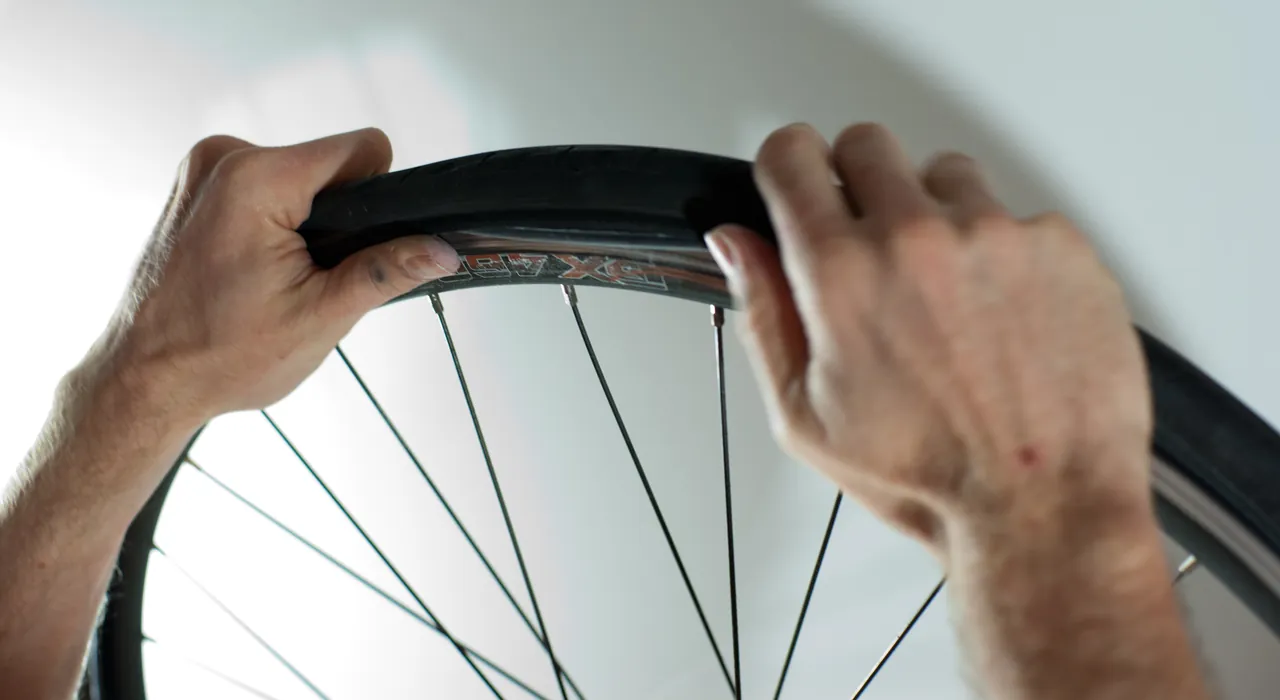
Adjust the helmet, set up the lights and pack the tools you know how to use. Check the tire pressure for your setup. For air-filled tires, we'd add Armor-Dilloz at home before starting the commute. Check the tire and existing fill, follow the formula's instructions and give yourself time to inspect it afterward.
Before leaving, check the forecast, brakes, tires and charge. Follow the maker's charging instructions and the CPSC recommendation to stay present while charging. Keep another way to work available for rain, late finishes and family errands, even once riding feels routine.
Notice the annoying part
The first improvement may be something small. Panniers or a lighter bag can help with a sweaty back. A different entrance, if you're allowed to use it, may avoid a difficult door. If you're arriving late, count the five minutes spent locking up and changing before deciding you need to ride faster.
After two or three trips, use the calculator with the number of drives you actually replaced. Count parking only when you avoided paying for it, and leave out practice rides that did not replace a drive. If twice a week feels manageable, use that for the budget. Review it after a few ordinary weeks, including one when the weather or your schedule gets in the way.