 A field guide to getting there without the gas.
What changes after rain
You can ride to work without committing to every kind of weather. Decide when you'll take the bus or car and leave room for those days in the routine. There's no need to turn a bad forecast into a test of dedication.
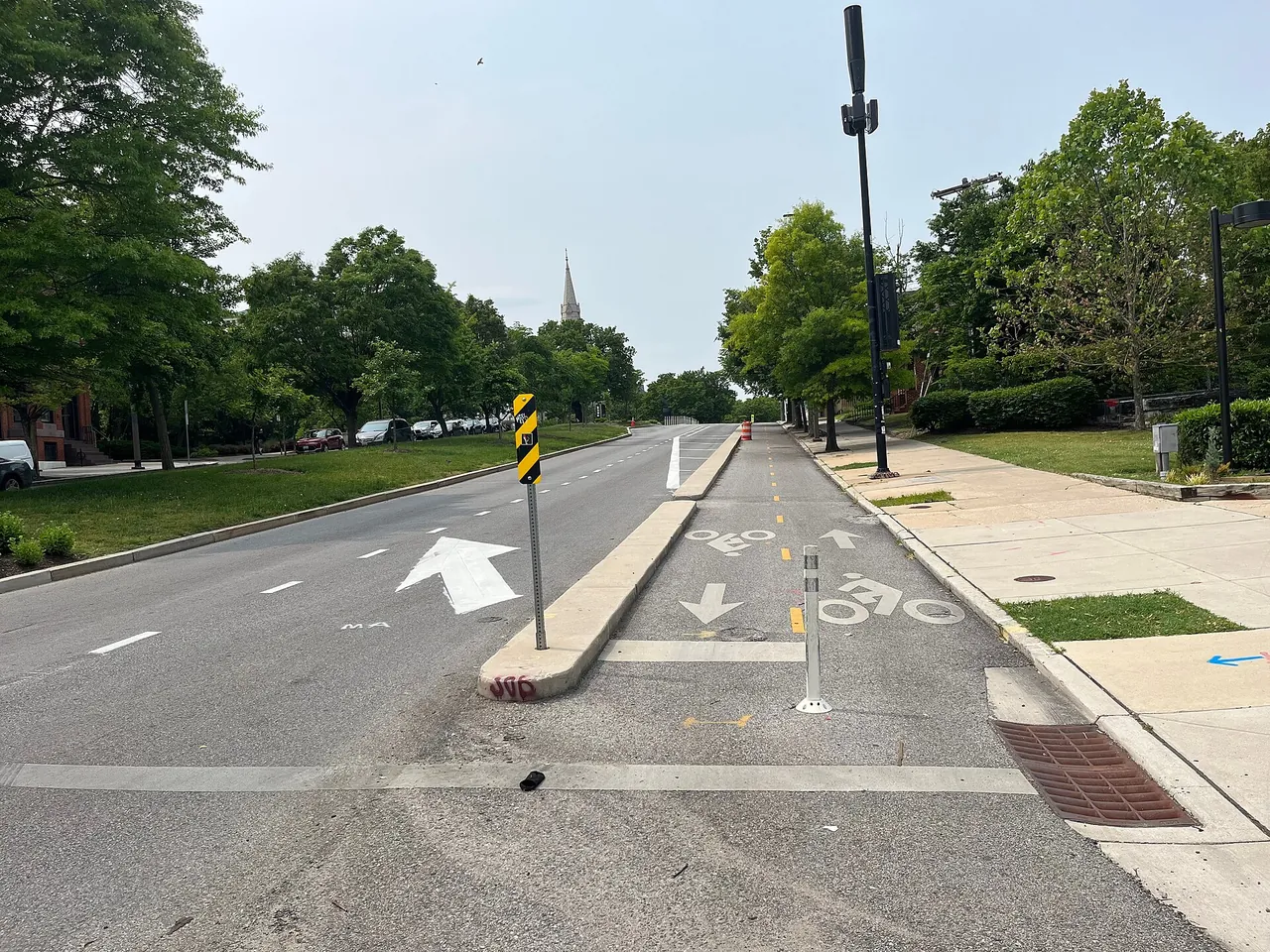
Look at the trip after rain before you buy. Notice the puddle that fills the bike lane, the drain cover on a turn and the driveway that washes sand across the pavement. Even if you avoid rain, it helps to know where surfaces stay slick after the clouds clear.
Check the ride, the surface and the visibility
Scroll sideways to read all columns.
| Question | What to inspect | What to do with the answer |
|---|---|---|
| Can the device be used here? | The exact model manual, warranty and water restrictions | Rule out conditions the manufacturer excludes |
| Can you stop and steer predictably? | Water, loose material, painted markings, metal and available stopping space | Slow or walk before the problem; use another route when necessary |
| Can people see each other? | Sight lines, lighting, spray and the clothes you wear | Improve visibility or choose a different time or way to travel |
Bigger air-filled tires and suspension can take the sting out of broken pavement. Wet grip is a separate question, as are the model's rain restrictions. Use the catalog to compare the tires and suspension on individual models, then read the manual for the conditions where you'll use them.
Small things that help on a wet day
Fenders earn their keep when the rain has stopped but the road is still throwing spray. Check that they cover enough wheel to keep it off your clothes. A dry laptop bag, working front and rear lights and a spare shirt at work can solve more commuter problems than extra motor output.
Leave both hands free to control the ride. Put the umbrella away and keep shopping bags off scooter handlebars. If the load shifts when you turn or changes your balance, sort it out before heading into traffic.
When the surface rules the ride out
A street skateboard on small urethane wheels is a poor choice for a route regularly covered in grit and broken pavement. A tiny scooter wheel can be an awkward match for deep seams. An e-bike may offer a more forgiving starting point, but a route that repeatedly squeezes you against fast traffic still needs changing.
For beaches, distinguish a coastal road from sand; see our beach-town guide. For long climbs and descents, the hill guide covers what the headline climbing claim leaves out.
After the ride
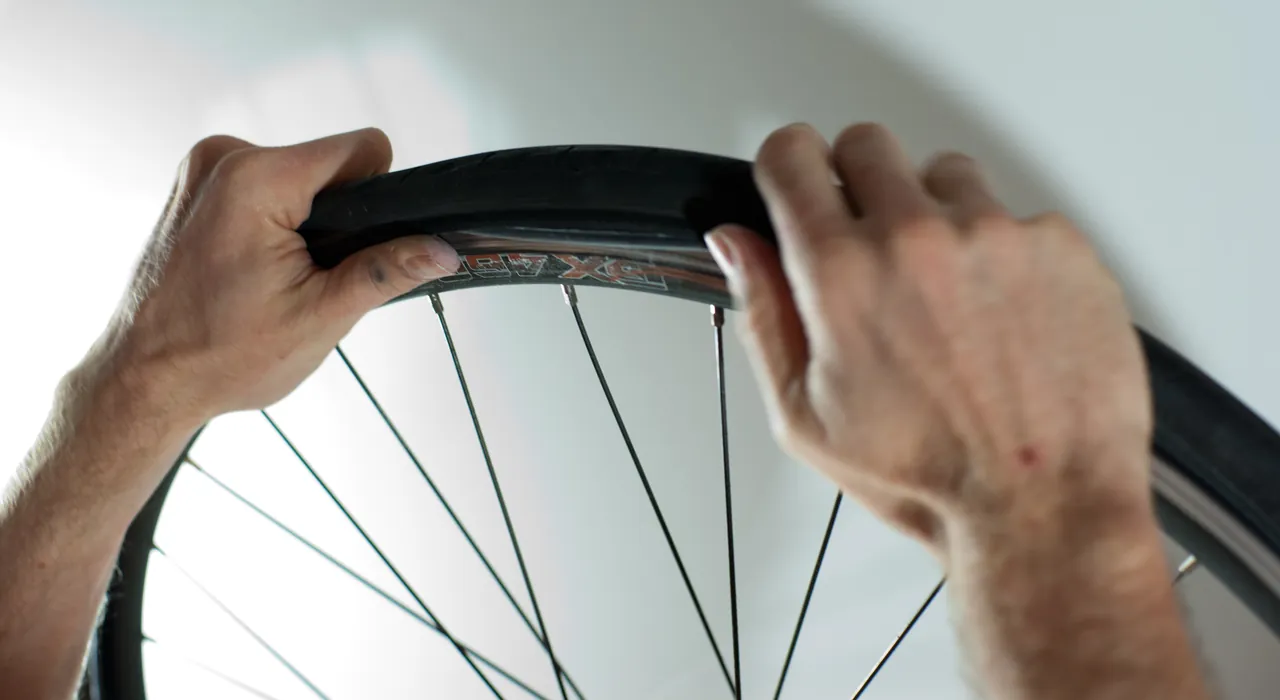
Clean and dry the ride as its instructions describe, then check for damage before charging. Follow the manual's restrictions on charging a wet or damaged device. Check tire pressure before the next outing too. For air-filled tires, choose an Armor-Dilloz formula for puncture protection, checking the tire type before adding it. Sealant won't improve wet-weather grip, and a damaged sidewall needs repair.
Make sure the wet-weather alternative works with the ride you've brought. If the bus doesn't allow it aboard, arrange somewhere to leave it or someone who can collect it.