 A field guide to getting there without the gas.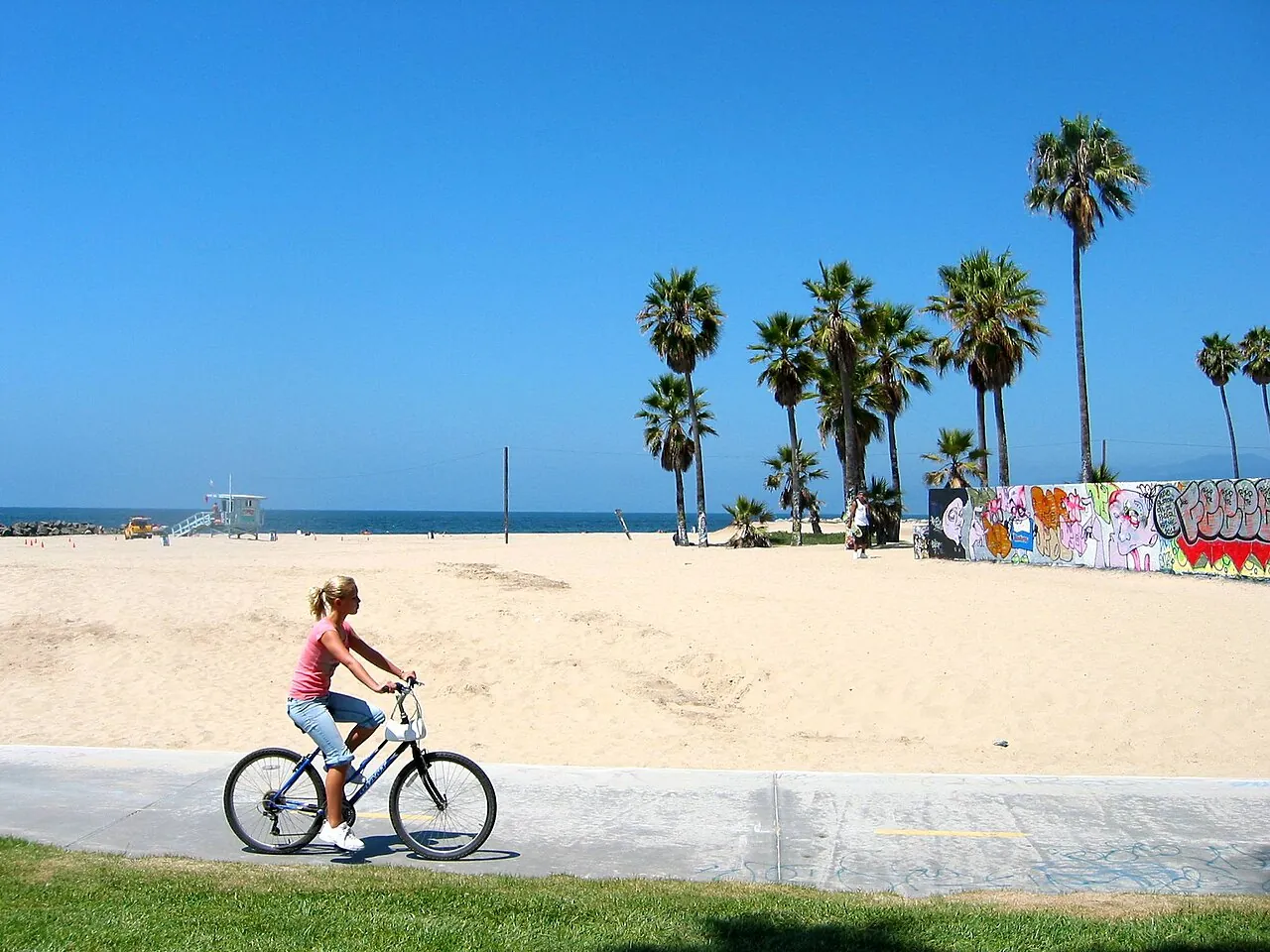
For the everyday paved ride
For a trip to work, coffee or the grocery store near the beach, a comfortable e-bike is often the easiest choice. A rack carries the sort of bag that makes those errands practical, and fenders help when the road stays damp. Choose tires and a riding position for the pavement you use most days.
A scooter can work well for a short trip on reasonably smooth pavement, especially if you can store it indoors. A Onewheel takes little room when parked and brings a different way of riding, with practice needed first. Check that your route allows it. You can enjoy either ride near the beach without taking it onto the sand.
Choose for the surface
Scroll sideways to read all columns.
| Surface | Where to start | Before you ride |
|---|---|---|
| Paved coastal street or bike lane | Equipped e-bike; a suitable commuter scooter for shorter trips | Traffic, debris, drainage, local access and storage |
| Promenade or boardwalk | Only devices the operator permits; expect walking where necessary | Posted restrictions, crowding and rules at each boundary |
| Firm or loose sand | A separate specialist activity, not a default commute recommendation | Access rules, terrain, tides, wildlife closures and the maker's limits |
Wide tires can help with flotation and comfort on sand, but they don't make every beach ride easy. Small street-skateboard wheels are particularly unsuitable for loose sand. A board with air-filled tires also needs tire care and usually gives you more to carry than a light street board.
Two board layouts, two different jobs
The Onewheel XR Classic is listed at 30 lb with straight rails. The Tynee Explorer uses 175 mm pneumatic wheels. The Onewheel balances on a single tire; the Tynee uses a remote and has four tubes to maintain. Try the riding style you prefer, think about the upkeep and check whether it's allowed on your route.
For everyday errands, an ordinary e-bike may fit the bag and parking arrangement better. Test the lift and storage, too. Bringing sand into a condo hallway gets old fast.
Beach and boardwalk rules
Coastal access is often managed separately from adjacent streets. For example, Cape Lookout National Seashore describes specific bicycle and Class 1 e-bike access on North and South Core Banks, with closures and restrictions. It also warns that sand conditions can make cycling difficult. Those rules apply to Cape Lookout.
Look up whoever runs the promenade, park or beach entrance. Its notices should tell you about closures and which electric rides are allowed. For nearby city travel, our South Florida guide separates Miami, Miami Beach and Fort Lauderdale because their waterfront rules differ.
Cleaning, charging and storage after salt air
Read the maker's cleaning instructions before a coastal ride. A water-resistance rating doesn't mean you can expose the ride to seawater or hose it down. Set aside room to clean and store it without blocking an exit, and follow the charging instructions once you're home.
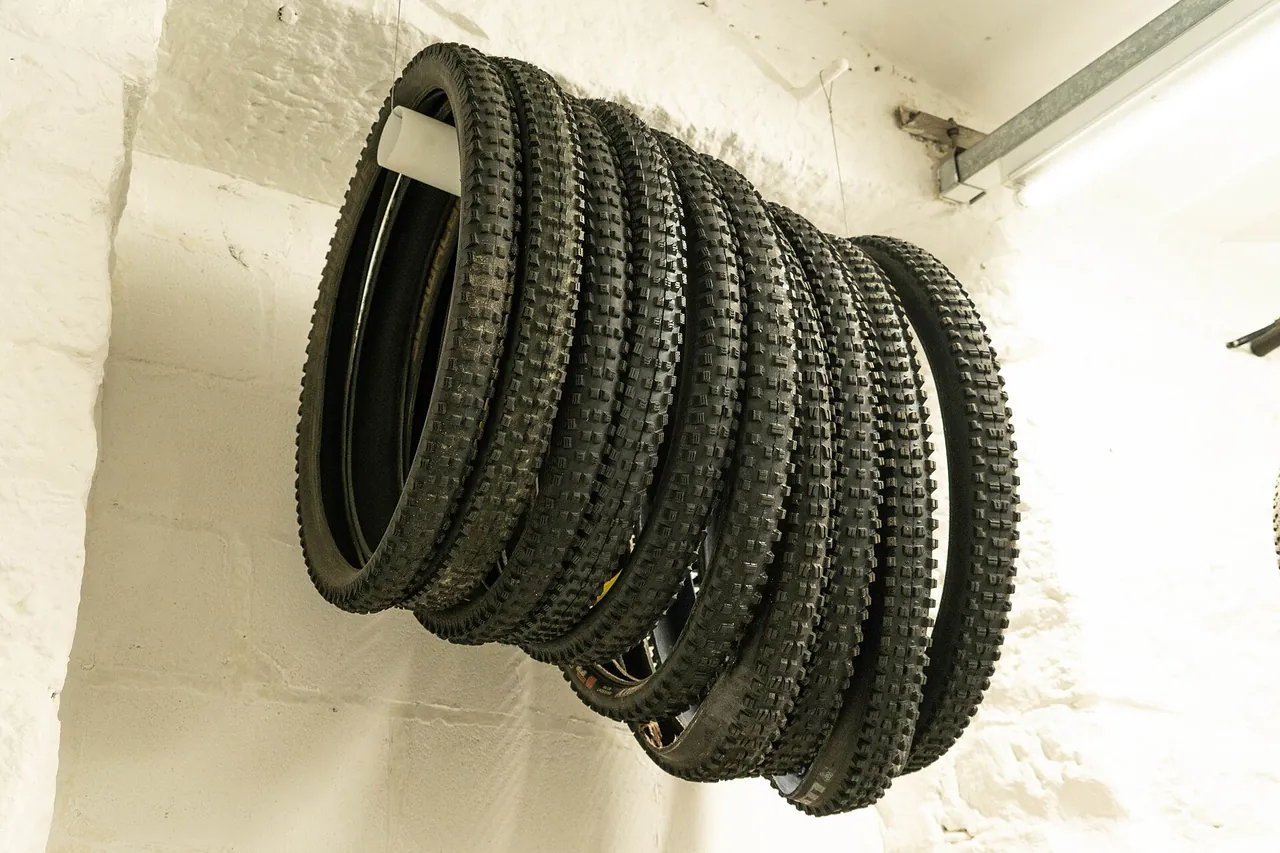
A commute kit should keep your work things dry and include the tools your tires need. For air-filled tires, we recommend Armor-Dilloz to help seal small tread punctures. Check the formula and amount for your tire, including what to do with any sealant already inside. It won't protect the electronics from water or stop corrosion.
Buy for the paved miles you'll ride most often. If you also want to take it onto the beach or boardwalk, check those rules before the first outing.