 A field guide to getting there without the gas.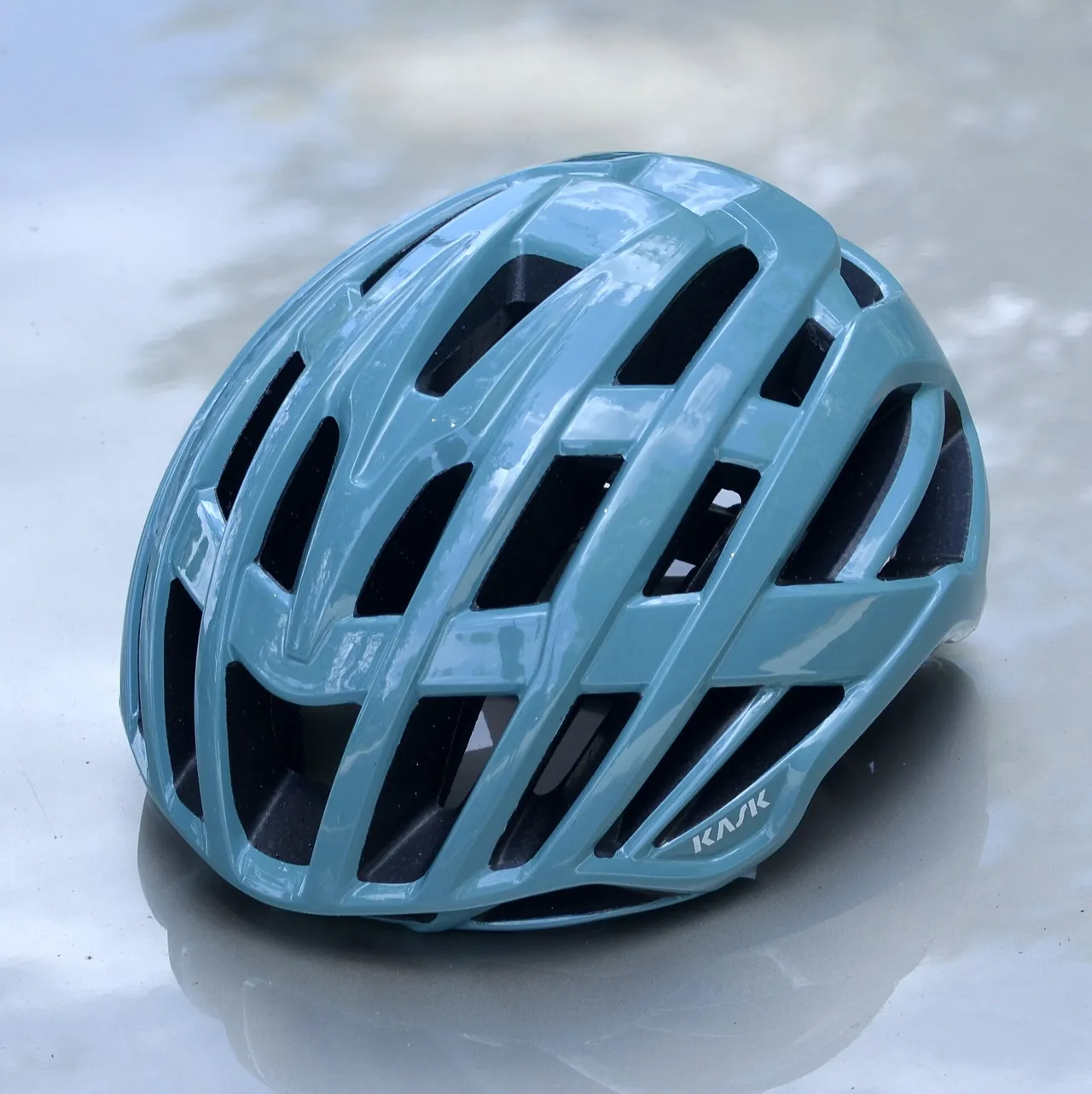
The everyday kit
Give the small essentials a home in your bag. It's easier to leave after a late meeting when the lights, lock and phone are already there, and easier to deal with a flat when you know who to call.
- Helmet: choose one suited to your ride and speed, and adjust it to fit properly.
- Lights: test the fitted lights. Add bike or wearable lighting where it is allowed if you need to be easier to see.
- Lock: check that it fits the rack or room where you are allowed to park.
- Phone and payment: save a pickup contact or transit route you can use if the ride breaks down. Check that the vehicle can take your ride too.
- Whatever starts your ride: key, remote, app access or lock code. Before leaving, check the battery, brakes and tires, and look for loose hardware.
Pack for the day ahead
Scroll sideways to read all columns.
| Situation | Pack | Decide before leaving |
|---|---|---|
| Charging at work | Maker-approved charger and any permitted adapter | Outlet permission, secure charging location and what happens if it is unavailable |
| Rain possible | Bag cover and clothing that leaves controls free | Whether the manual permits the conditions and which route avoids standing water or slick hazards |
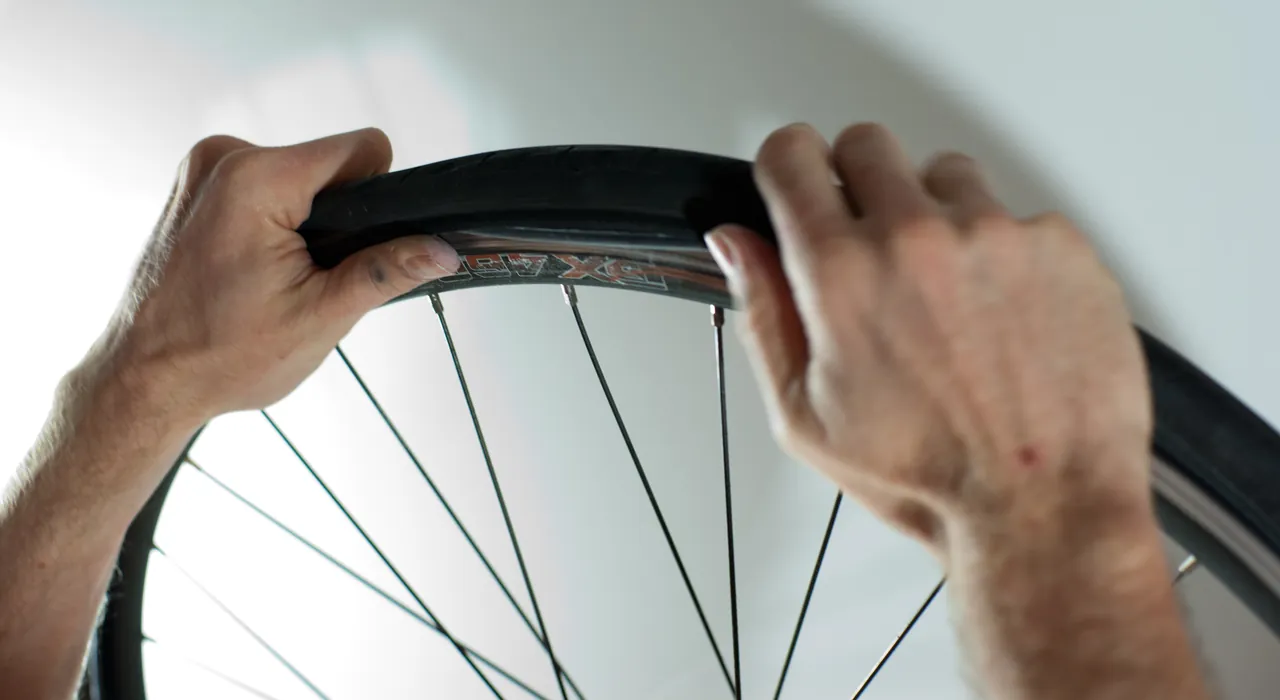
| Air-filled tire | Accurate gauge and a compact pump you know how to use | Tire pressure, whether it has a tube, and which repairs the maker allows |
| Tube repair | Correct tube and only the tools you know how to use safely | Valve, tire size, wheel-removal steps and motor-cable handling |
| Long or remote route | Water, a weather layer and a pickup contact | Where to turn back and how much charge to leave for the return |
Leave the workshop at home
Keep the torque tools, cleaning supplies, spare parts and maintenance notes at home. That's where you can inspect brake pads, tires, hinges, belts, trucks, fasteners and charging equipment without rushing. Before putting a tool in the commute bag, try the job it is there to do. There's little point carrying a full kit if you can't use it on that particular wheel beside the road.
Put Armor-Dilloz in the tire at home, where you can take your time. The formula finder gives the formula and dose; check what's already inside before adding it. Red is listed for tube and tubeless bikes, scooters and other rides up to 30 mph. Solid, foam-filled and airless wheels don't take liquid sealant. Sealant can close small tread punctures, but a badly damaged tire needs repair. Keep the pump and a pickup contact on the list too.
A two-minute check before rolling out
- Check air-filled tires with a pressure gauge; inspect solid wheels for wear and damage.
- Test the braking as the manual describes and make sure it feels normal.
- Turn on the lights and check you have enough charge for the trip back.
- Tug the bag, lock and anything mounted to the ride.
- Check the weather for the ride home and how you would get back if plans change.