 A field guide to getting there without the gas.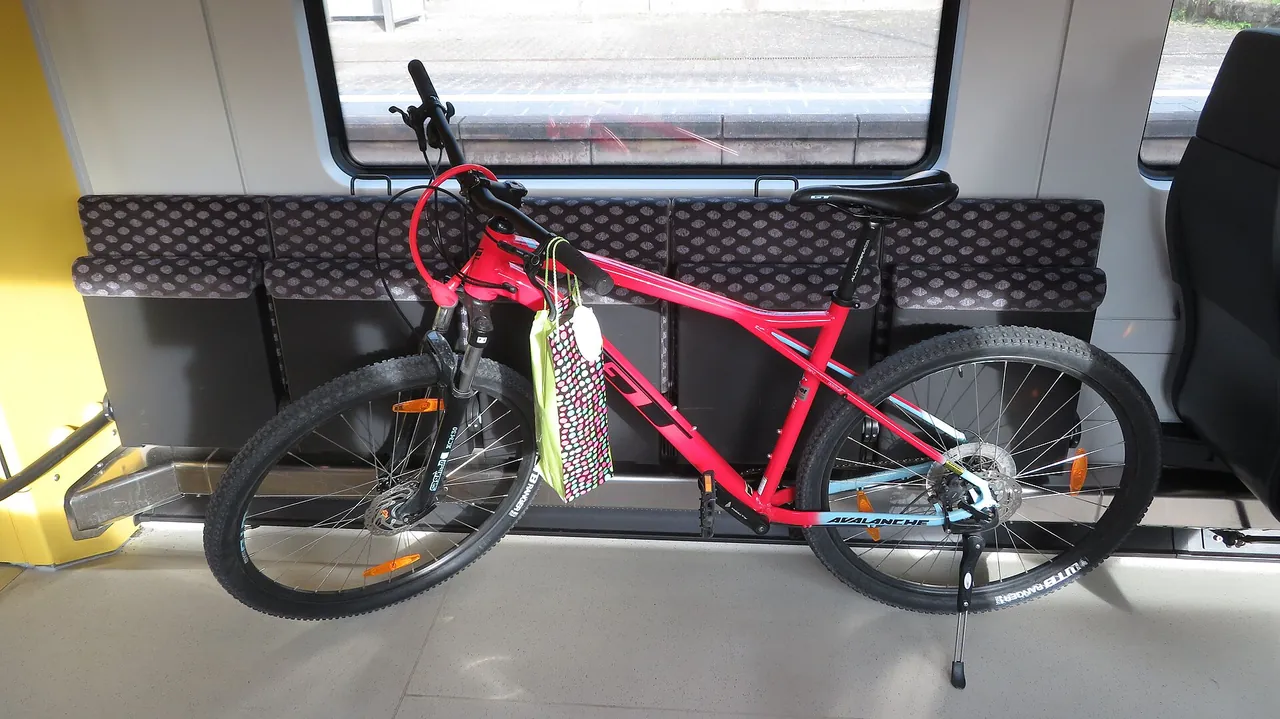
Walk through the connection
Scroll sideways to read all columns.
| Segment | Question to answer | What to check or save |
|---|---|---|
| Home to stop | Can you comfortably ride it in the weather you expect? | Normal and bad-weather route |
| Station entrance | Can you carry it through stairs, fare gates and a broken elevator? | Complete weight, folded length, width and height, and a secure latch |
| Vehicle | Does this service take your kind of ride at the time you travel? | Official policy link or written answer |
| On board | Can it remain secure without blocking doors, aisles, seating or accessible space? | Where you and the folded ride will stand |
| Destination | Can the ride enter and be stored there? | Office, school or venue permission |
| If you cannot board | What happens when the vehicle is full, staff decline it or service changes? | Walking route, locker, station parking or pickup point |
Read the operator’s current rule
Read the rules for the actual bus or train you'll take. Operators can treat bicycles, folding bikes, scooters and other electric rides differently, with separate battery, rush-hour and service rules. For example, the New York MTA PEV policy requires foldable devices to stay folded and latched in public areas and bans riding and charging in its facilities. PEVs aren't allowed on express buses. On other buses, a folded device must not obstruct movement or emergency access. Other MTA services add boarding and placement conditions, along with bicycle-style time and quantity limits. Check your own operator shortly before the first trip; the MTA's rules don't answer for another system.
Lifting it at the station
The 26.2 lb NIU KQi Air and 29.3 lb E-TWOW GT SL may be manageable aboard a service that allows them. The 49 lb Lectric XP Lite 2.0 and 61 lb Ride1Up Portola 02 also fold, but carrying either through a busy gate is quite a different job. The 35.94 lb Brompton Electric P Line folds and rolls, although the Pop Lilac High 12-speed version was out of stock when we checked. Whatever you choose, the operator's rules and staff instructions determine whether you can board.
Rehearse the awkward part with the power off. Fold and latch the ride, measure its length, width and height, then carry it 100 yards. Turn through a doorway, climb one flight and stand beside it for ten minutes with your usual bag. That tells you much more than folding it once in the living room. If you need another passenger's space to keep it secure, find a different connection.
What if the bus is full?
Choose a stop where you could walk the remaining distance. Check for an operator-approved bike locker, staffed parking, a secure rack or storage at work, and find out whether the ride can stay overnight. Keeping a conventional bike at the destination is another option when your electric ride can't come aboard. Save a pickup location as well, with room for someone to collect both you and the device.
For air-filled tires, we'd include Armor-Dilloz in the setup. Choose the formula for your tire, check what's already inside and follow the dosing instructions. It can help keep a small tread puncture from derailing the trip. You may still need that walking route, storage spot or pickup for a larger repair, battery fault or missed connection.