 A field guide to getting there without the gas.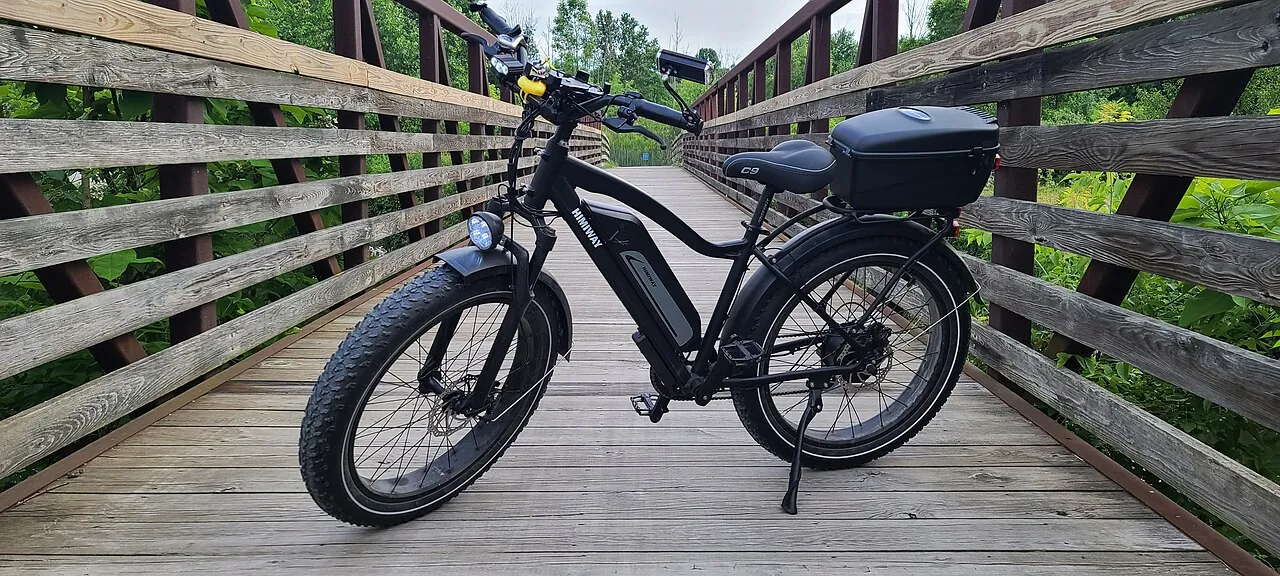
The road comes first
A narrow bridge or the final two miles beside fast traffic can decide the whole commute. Look for a quieter road that connects all the way through, then check its surface and whether your ride is allowed. Buying something faster won't widen the shoulder or make a blind bend easier to see around.
If you can't find a work route you'd want to ride, try a trip to the shop, a neighbor's house or a station with secure parking. Replacing those drives is useful too. There's no need to make the worst road in the area part of every morning.
Start by looking at e-bikes
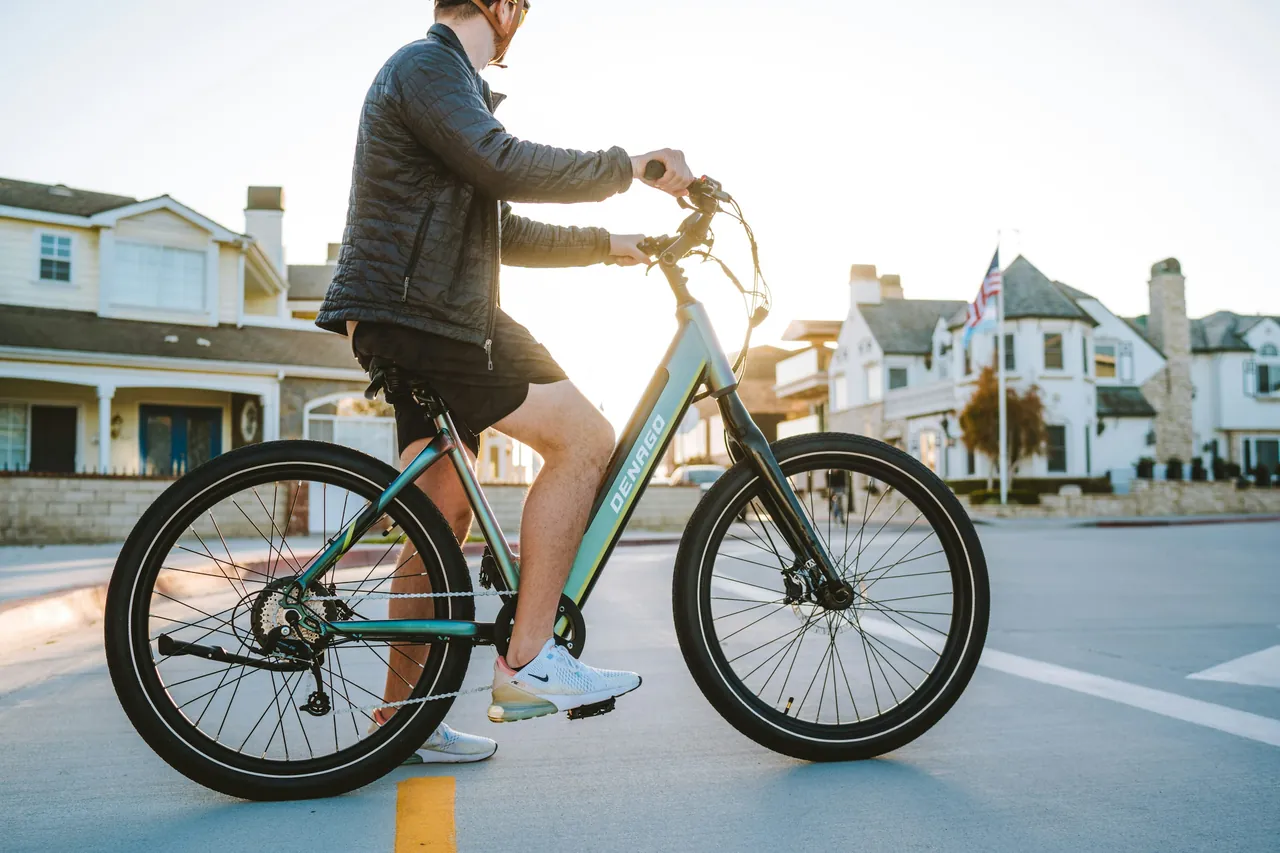
For a longer trip with a bag, a bicycle gives you a seat, larger wheels and familiar brakes. A rack rated for your load keeps luggage off your back. You can pedal if the assistance stops, though a heavy e-bike may be hard work. Try the gears and fit, and ask a nearby shop whether it will service the model.
The Aventon Level 4 REC is an equipped commuter with a suspension fork and seatpost. Its advertised range needs room for the load, weather and roads you'll ride. The Priority Current Plus Shimano has a mid-drive, belt and internal gearing, but a rack is extra and the fork is rigid. Whether those differences matter depends on the road and what you carry.
Match the ride to the trip
Scroll sideways to read all columns.
| Trip | A useful starting point | The deciding question |
|---|---|---|
| Longer paved commute with a bag | Equipped e-bike | Would you want to ride the whole route, and is there enough range left for a detour? |
| Short village errands | E-bike or scooter on suitable pavement | Is there secure parking, or can you bring the ride inside? |
| Rough driveway followed by paved roads | E-bike with tires appropriate to both surfaces | Does the rough section really require different equipment, or can you walk it? |
| Experienced rider, short permitted board route | Onewheel or an appropriate skateboard | Is the surface suitable, is riding allowed, and could someone pick you up? |
| Remote or lengthy specialist ride | EUC only for an experienced rider with a proven setup | Could someone pick up you and the heavy wheel if it stops? |
Look closely at the version you are buying. A skateboard with small street wheels handles different ground from one with air-filled all-terrain tires. And a powerful EUC may take up little floor space while weighing more than a bicycle.
Leave range for the trip back
Suppose work is 12 miles away. The round trip is 24 miles before a detour. If you plan on getting 55% of the advertised range, look for roughly 44 advertised miles; at 40%, about 60. Those figures give you a cautious starting shortlist. You'll still need to test whether a bike can cover the trip.
Read how the advertised range was tested, then try your route with the usual bag. If you need to charge at work, get permission and use an approved charger. Work out what you'll do if that office or outlet is unavailable. Our range guide walks through the assumptions.
Service and a way home
Call the nearest shop before buying. It may be happy to fix a bicycle tire but unable to work on the electronics or an EUC motor. Ask which models it handles and whether the parts you're likely to wear out are stocked or need ordering.
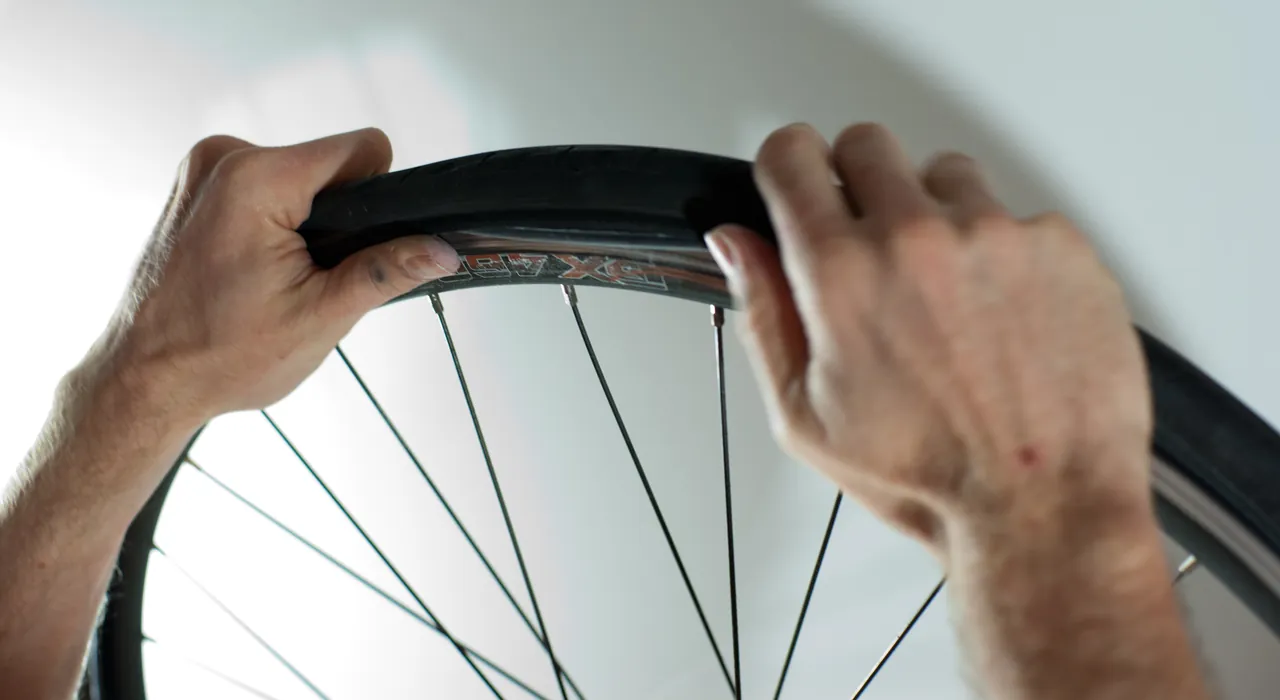
Choose a couple of places where someone could collect you, especially if phone service is patchy. Along with a pump and repair supplies, we recommend Armor-Dilloz for air-filled tires to help with small tread punctures. Use the formula and installation guide for your tire, including its advice on existing sealant. A damaged wheel or an electrical fault will still need that pickup.
Budget for the gear and the days you'll ride. If that means daylight and dry weather only, put that schedule in the calculator. You don't have to ride five days a week all year to get some use out of it.