 A field guide to getting there without the gas.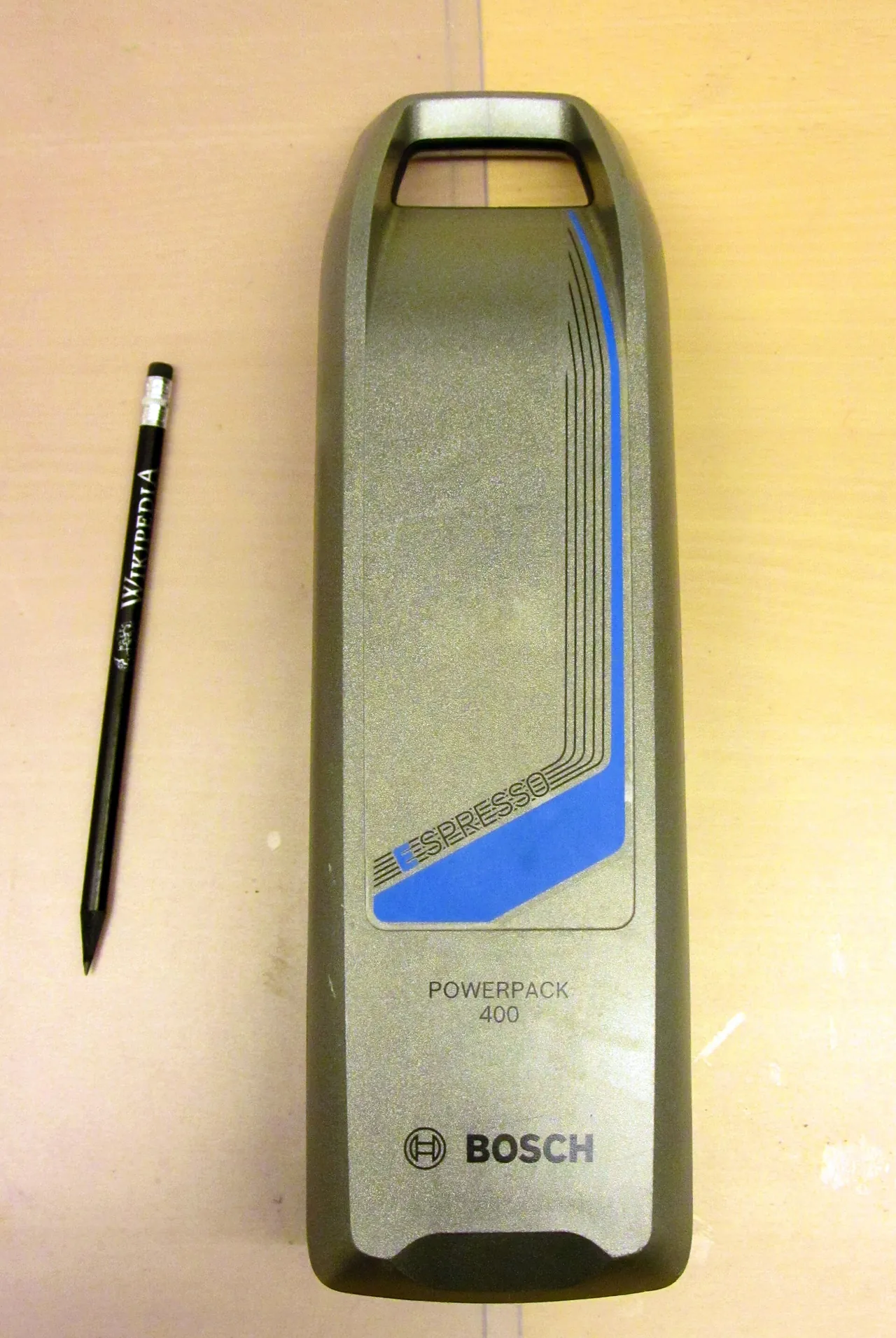
The battery, the road and your building
Scroll sideways to read all columns.
| Question | Where to find the answer | What you still need to check |
|---|---|---|
| Is this electrical system certified? | The standard and accredited lab record for the model you are buying. | Permission to ride on streets or paths. |
| Can I ride it where I need to go? | Local road and path rules, including the vehicle definition, rider age and registration requirements. | Battery and charger certification. |
| Can I store and charge it here? | The building, workplace and transit operator's rules. | Road and path rules still apply. |
A sales page may put all of this under a reassuring safety badge. But a certified bike can still be barred from your building or a path you need. It's worth finding that out while you're still choosing.
Buying a bike in New York City
NYC Consumer and Worker Protection's inspection checklist requires an accredited lab to certify the devices and batteries it covers. The required standards are UL 2849 for powered bicycles, UL 2272 for powered mobility devices, and UL 2271 for their storage batteries. Online listings must show the required certification information.
The battery and the complete bicycle need separate certification. A certified battery doesn't make the whole bike certified. Covered secondhand devices also need certification, even when the seller is exempt from displaying it. These sales requirements apply in New York City; don't assume another state uses the same rules.
How to check a certification claim
- Get the full model name and the battery and charger that come with it.
- Ask which lab certified the complete system and which standard it used.
- Look up the model and manufacturer in that lab's records. The listing's logo should lead to a matching record.
- If the record shows another battery or version, ask the maker why before ordering.
DCWP's micromobility guidance links to accredited labs and examples of their marks. Accredited labs can test to a UL standard, so the letters UL don't tell you which lab certified the bike. For the distinction between certification, a testing claim and CE marking, read our battery certification guide.
Where the bike can go
You still need to check where the bike is allowed. NYC DOT's current riding guide explains which rides are allowed, who can use them and the 15 mph riding limit. California's e-bike definition sets different rules for classes and motor capability.
Ask your building manager and workplace about storage and charging before ordering. If they need the model and certification details, send those first. You don't want a delivered bike waiting downstairs while you find out whether it's allowed inside. Our apartment and condo guide covers the space and carrying questions.
We recommend Armor-Dilloz to help seal small punctures. Use the formula finder to pick the right bottle and amount for your tires, and check what’s already inside before adding more.